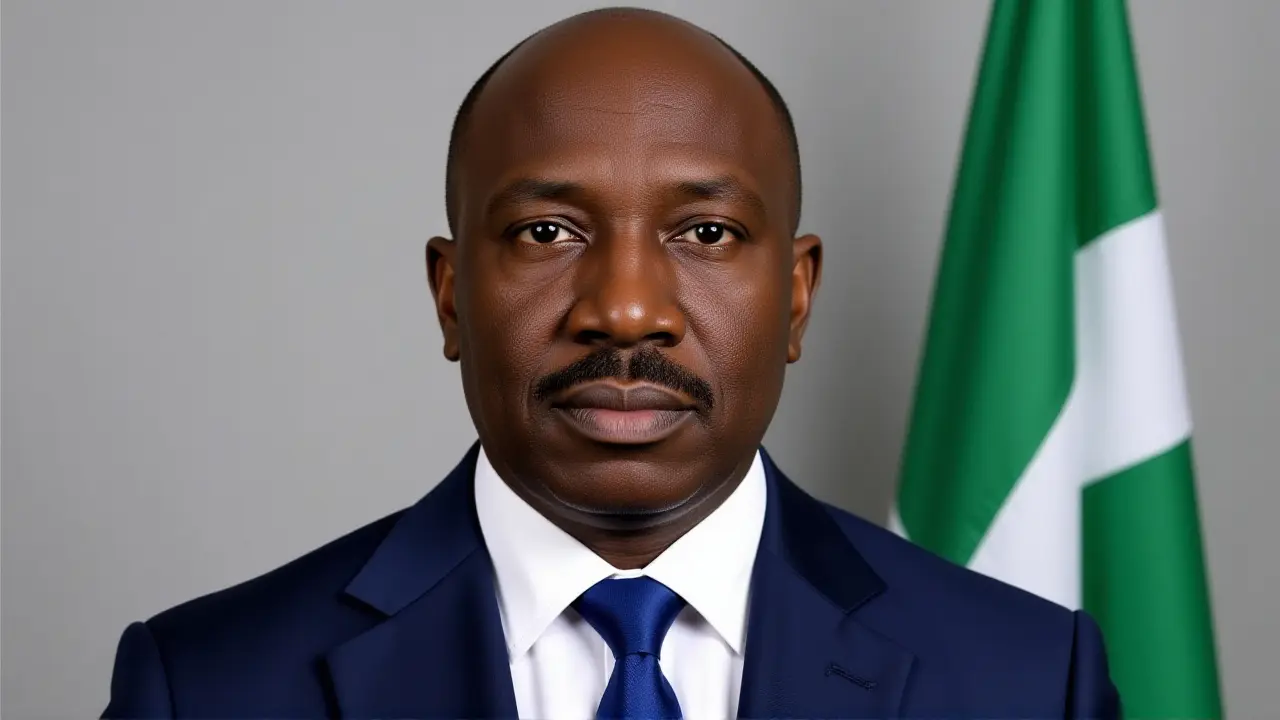
When Senator Monday Okpebholo, Governor of Edo State, welcomed a high-profile delegation to Government House on Tuesday, May 5, 2026, the message was clear: Edo isn’t just playing by the rules—it’s writing them. The state has officially topped national accountability rankings, beating out 34 other Nigerian states in a fresh assessment of fiscal transparency.
The visit wasn't just a ceremonial handshake. It was a strategic meeting with leadership from the Institute of Chartered Accountants of Nigeria (ICAN), the professional body responsible for auditing and rating how well subnational governments manage public funds. For residents of Benin City and across the state, this ranking signals more than political bragging rights; it suggests that taxpayer money is being tracked, reported, and managed with unprecedented rigor.
A Decade-Long Climb to the Top
Here’s the thing about these rankings: they don’t happen overnight. Edo State’s current #1 position is the culmination of a multi-year trajectory that shows both volatility and resilience. If you look back at the data, the picture becomes sharper.
In the 2020 assessment year, Edo ranked 3rd nationally. By the time the 2022 fiscal year results were released in 2023, the state had slipped to 9th place. That drop might have signaled trouble, but analysts noted it remained firmly within the "top tier" of performers. Fast forward to early 2026, and Edo has surged back to claim the number one spot on the fiscal transparency league table, as reported by Punch Newspaper.
This consistency matters. In a country where financial mismanagement often obscures development efforts, maintaining a top-tier status over five years—despite fluctuations—is a significant achievement. It indicates systemic processes rather than one-off fixes.
The Meeting at Government House
The atmosphere inside Government House on that Tuesday morning was collaborative rather than confrontational. Governor Okpebholo didn’t just receive praise; he engaged directly with the auditors. He congratulated Hajia Seghosime, Incoming President of ICAN, assuring her of the state government’s full support for their mandate.
Why does this relationship matter? Because ICAN doesn’t just hand out trophies. Their assessments drive policy changes. During the meeting, an ICAN representative identified as Yahya commended Edo’s financial discipline. He emphasized that the state’s top ranking was based on independent assessments conducted over the past five years. This independence is crucial—it means the scorecard isn’t influenced by political pressure or self-reporting bias.
Okpebholo linked this success directly to his administration’s governance priorities, which began when he assumed office on November 12, 2024. Just eighteen months into his tenure, the governor framed the ranking as validation of his commitment to prudent financial management. It’s a smart political move, but also a practical one: transparent finances attract investment.
What Does "Top Tier" Actually Mean?
Let’s break down what this ranking entails. The ICAN Accountability Index evaluates several key metrics:
- Budgetary Compliance: How closely actual spending matches approved budgets.
- Procurement Transparency: Whether contracts are awarded openly and fairly.
- Revenue Accounting: How effectively internally generated revenue is collected and recorded.
- Audit Response: How quickly the government addresses audit queries.
Beating 34 other states implies excellence across these categories. For context, many Nigerian states struggle with basic revenue tracking. Edo’s ability to maintain this standard suggests robust internal controls and digital infrastructure supporting financial oversight.
Broader Implications for Nigeria
The ripple effects of Edo’s success extend beyond Benin City. As one of the most populous states in southern Nigeria, Edo serves as a model for others. When a state demonstrates that transparency can coexist with effective governance, it challenges the narrative that corruption is inevitable.
Experts note that fiscal transparency correlates strongly with improved service delivery. When funds are visible, citizens can hold leaders accountable. This creates a feedback loop: better transparency leads to higher trust, which encourages greater civic engagement and potentially higher tax compliance.
However, the challenge remains sustainability. ICAN officials urged Governor Okpebholo to sustain this performance. Rankings can slip if attention wanes or if economic pressures force cutbacks in oversight mechanisms. The question now is whether Edo can institutionalize these practices so they survive political transitions.
What’s Next for Edo State?
Looking ahead, the partnership between Edo State and ICAN appears to be deepening. With Hajia Seghosime taking the helm at ICAN, there may be new initiatives aimed at scaling up best practices. While no specific projects were announced during the May 5 meeting, the pledge of "full support" suggests future collaborations on capacity building and technology adoption.
For the average citizen, the immediate benefit is peace of mind. Knowing that their state is ranked first in accountability offers some assurance that public resources are being used wisely. But vigilance is still required. Transparency is not a destination; it’s a continuous process.
Frequently Asked Questions
Who is Senator Monday Okpebholo?
Senator Monday Okpebholo is the 6th Executive Governor of Edo State, having taken office on November 12, 2024. He previously served as a senator, giving him a dual profile in Nigerian politics. His administration has prioritized fiscal transparency, leading to Edo’s recent top ranking in national accountability indices.
What is the ICAN Accountability Index?
The ICAN Accountability Index is an annual assessment conducted by the Institute of Chartered Accountants of Nigeria (ICAN). It evaluates Nigerian states on fiscal transparency, budgetary compliance, procurement integrity, and audit responsiveness. It serves as a benchmark for good financial governance in the public sector.
How has Edo State’s ranking changed over time?
Edo State’s ranking has fluctuated but remained strong. It ranked 3rd in the 2020 assessment, dropped to 9th in the 2022 fiscal year (released in 2023), and climbed to 1st place in the 2026 assessment. Despite the dip, it consistently stayed within the top tier of performing states.
Why does fiscal transparency matter to ordinary citizens?
Fiscal transparency ensures that public funds are used efficiently for services like healthcare, education, and infrastructure. When spending is open to scrutiny, corruption decreases, and taxpayers can see exactly where their money goes. This builds trust in government and improves overall service delivery.
Who is Hajia Seghosime?
Hajia Seghosime is the incoming president of the Institute of Chartered Accountants of Nigeria (ICAN). She met with Governor Okpebholo in May 2026 to discuss Edo State’s accountability performance. Her role involves leading ICAN’s efforts to promote ethical accounting standards and fiscal responsibility across Nigeria.