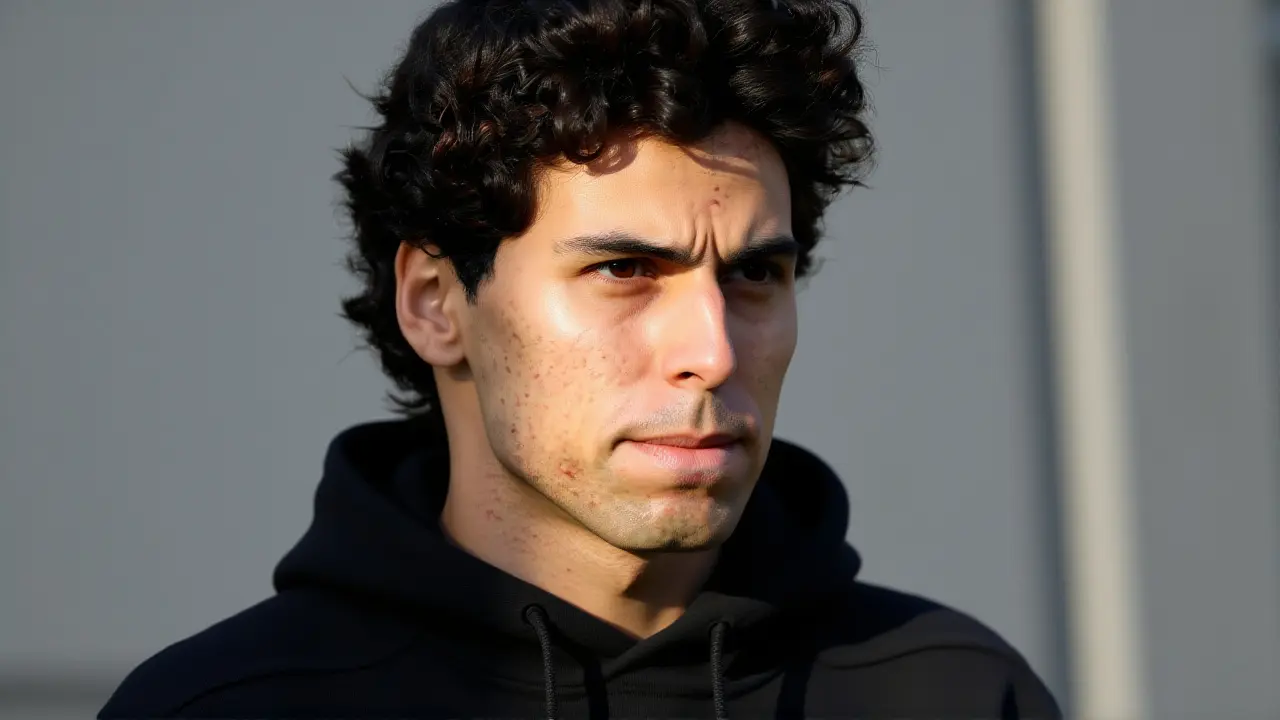
When Gabriel Bortoleto, Formula One driver for the Audi Revolut F1® Team, was asked to compare his rookie trajectory with that of Andrea Kimi Antonelli or seven-time world champion Max Verstappen, he didn’t mince words. “You need to give him time,” Bortoleto said, firmly branding such comparisons as unfair and premature.
The comments come at a pivotal moment for the Brazilian driver, who is navigating the intense pressure of being the first full-time Brazilian in Formula One since Felipe Massa retired in 2017. With the paddock buzzing about young talents making immediate impacts, Bortoleto’s stance highlights a growing tension between media narratives and the reality of adapting to F1 machinery.
The Weight of Expectation
Here’s the thing: joining Formula One isn’t just a career step; it’s a cultural phenomenon for drivers from smaller motorsport nations. For Bortoleto, born on October 14, 2004, in Osasco, São Paulo, the spotlight has been blinding since he signed with Sauber ahead of its transformation into the Audi Revolut F1® Team.
His signing was part of a deliberate strategy by the Swiss-based team to inject youthful energy as they prepare for their full factory conversion in 2026. But while the plan makes sense on paper, the execution places immense psychological weight on the driver. Fans and pundits alike are eager to find the next Verstappen or Hamilton, often ignoring the nuanced learning curve required to master an F1 car.
Bortoleto, currently driving car number 5, has already faced significant challenges. His statistics show six Did Not Finish (DNF) results so far, a harsh reminder that reliability and consistency are harder than raw speed. Yet, despite these setbacks, he remains focused on long-term development rather than short-term glory.
Why the Comparisons Fall Flat
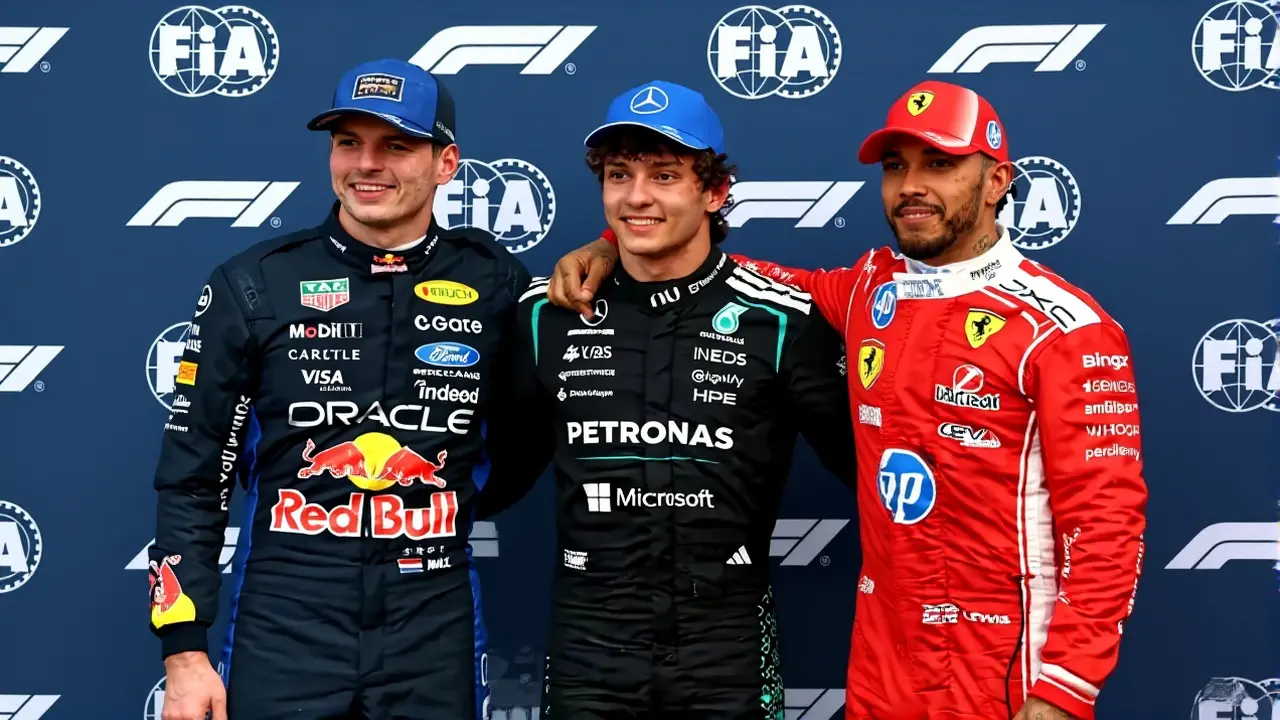
But wait—why do we keep comparing rookies? The media loves a narrative. When Andrea Kimi Antonelli joined Mercedes, his rapid adaptation drew headlines. Similarly, Max Verstappen’s dominance redefined what was possible in modern F1. However, applying those benchmarks to every new talent is misleading.
“Every driver has a different journey,” Bortoleto explained. “Comparing me to someone like Verstappen, who had years of testing and specific car setups tailored to him, doesn’t help anyone. I’m here to learn, improve, and eventually compete at the front. That takes time.”
This perspective aligns with broader trends in motorsport psychology. Experts note that excessive early pressure can hinder performance. By dismissing these comparisons, Bortoleto is not only protecting his own mental health but also setting a precedent for how future rookies should be evaluated.
A New Era for Brazilian Motorsport
Turns out, Bortoleto’s arrival carries significance beyond his individual career. He marks the return of a full-time Brazilian driver to the grid, reigniting national pride after nearly a decade without one. This context adds another layer to the scrutiny he faces.
In Brazil, where Ayrton Senna’s legacy looms large over every racing discussion, expectations are sky-high. Bortoleto’s progress is watched closely by fans who remember the excitement of Nelson Piquet and Emerson Fittipaldi eras. His role extends beyond racing; he’s a symbol of hope for a new generation of South American racers.
Moreover, his association with Audi Revolut F1® Team ties him to a major automotive brand entering F1 for the first time as a works constructor. Audi’s investment signals confidence in both the team’s potential and Bortoleto’s ability to represent them effectively.
Looking Ahead: What’s Next?
As the season progresses, all eyes will be on key events like the Belgian Grand PrixSpa-Francorchamps, scheduled for July 17–19, 2026. This race offers a perfect test of Bortoleto’s adaptability, given Spa’s demanding combination of high-speed corners and variable weather conditions.
If he can deliver consistent points finishes there, it would validate his approach of patience over panic. Meanwhile, the transition to the fully branded Audi factory team in 2026 promises even greater resources—and higher stakes.
For now, Bortoleto insists on staying grounded. “I don’t care about labels or comparisons,” he said. “I care about getting faster each weekend. If I do that, the rest will follow.”
Frequently Asked Questions
Who is Gabriel Bortoleto?
Gabriel Lourenzo Bortoleto Oliveira is a Brazilian Formula One driver born on October 14, 2004, in Osasco, São Paulo. He won the FIA Formula 3 Championship in 2023 and led the Formula 2 standings in 2024 before joining Sauber, which transitions into the Audi Revolut F1® Team in 2026.
Why did Bortoleto reject comparisons to Verstappen?
Bortoleto believes such comparisons are unfair because they ignore the unique circumstances of each driver’s career. Verstappen benefited from extensive testing and customized car setups, whereas Bortoleto is still adapting to F1 technology and team dynamics.
What is the significance of Bortoleto’s return to F1 for Brazil?
He is the first full-time Brazilian driver in Formula One since Felipe Massa retired in 2017. His presence revitalizes interest in Brazilian motorsport and inspires younger generations, echoing the legacy of icons like Ayrton Senna.
How many DNFs does Bortoleto have?
As of recent data, Gabriel Bortoleto has recorded six Did Not Finish (DNF) results in his Formula One races. These reflect ongoing challenges with reliability and race management during his early seasons.
When is the Belgian Grand Prix in 2026?
The 2026 Belgian Grand Prix at Circuit de Spa-Francorchamps is scheduled from July 17 to July 19, 2026. It serves as a critical benchmark for evaluating Bortoleto’s progress amid challenging track conditions.
Anant Kamat
June 16, 2026 AT 10:22honestly just let the kid drive his own car without the media trying to force a narrative
everyone starts somewhere and six DNFs in a rookie season with a midfield team is actually pretty normal if you look at the data
people forget how brutal the learning curve is
Indrani Dhar
June 18, 2026 AT 07:50its all part of the great awakening they want us to believe hes special but really its just corporate marketing for audi
they need a face for their new era and bortoleto is convenient because he has that senna shadow hanging over him
do not trust the official narrative one bit
Raja Meena
June 19, 2026 AT 01:51there is a certain moral failing in constantly comparing young drivers to legends like verstappen or senna
it shows a lack of respect for the individual journey and creates an unhealthy environment for mental health
we should be celebrating progress not demanding immediate perfection from teenagers
Pooja Kiran
June 20, 2026 AT 11:56the aerodynamic instability of the current sauber chassis makes it objectively difficult for any rookie to find a consistent setup window
bortoleto is dealing with significant downforce deficits compared to the top tier teams which explains the dnf rate more than driver error
stop blaming the pilot for the plane having broken wings
Gaurav sharma
June 20, 2026 AT 14:05let me tell you something about this whole brazilian revival thing
its pathetic how everyone expects him to be senna reincarnated immediately
he is just a guy in a car trying not to crash and you people are projecting your nostalgia onto a stranger
wake up
Megha Khairnar
June 22, 2026 AT 04:31i think we need to understand that every culture approaches racing differently and the pressure on latin american drivers is uniquely intense due to historical legacy
perhaps we can find peace by accepting that growth is non-linear and messy
aggression in commentary helps no one here
Twinkle Vijaywargiya
June 23, 2026 AT 16:56It is truly inspiring to see such resilience! We must remember that every champion was once a beginner who didn't give up!!! Let's support Gabriel as he navigates this challenging transition period together!!!
Swetha Sivakumar
June 24, 2026 AT 11:10just chilling and watching the season unfold
no need to get worked up over comparisons
he will do what he does and we will watch
diksha gupta
June 25, 2026 AT 18:43the colors of the new audi livery are going to be stunning i bet
but seriously hope he finds his rhythm soon
it is exciting to have a fresh perspective on the grid again
Sai Krishna Manduva
June 26, 2026 AT 20:19one could argue that the concept of comparison itself is a social construct designed to create artificial hierarchies among individuals who are fundamentally unique in their experiences
thus rejecting the comparison is not just practical but philosophically sound
Siddharth SRS
June 27, 2026 AT 19:43I feel compelled to articulate my profound sense of disappointment regarding the collective inability of the public to grasp the nuanced complexities inherent in the psychological burden placed upon nascent participants within the realm of high-performance motorsport competitions which often leads to detrimental outcomes for their well-being.
Anoop Sherlekar
June 28, 2026 AT 21:06LET'S GOOOO GABRIEL!! :D He got this!! Never give up!! 💪🏎️
Navya Anish
June 29, 2026 AT 14:19why are we even talking about some random brazilian when our own drivers are struggling?
this is typical western media bias pushing irrelevant narratives
focus on what matters to us
Subramanian Raman
June 30, 2026 AT 02:05i wonder if the telemetry data will show similar patterns to antonelli's early seasons
it would be fascinating to analyze the sector times
:)
Shreyanshu Singh
June 30, 2026 AT 03:59man this drama is exhausting honestly
everyone is so sensitive now days cant take a joke about being slow
just drive faster bro
Sohni Bhatt
July 1, 2026 AT 14:11it is utterly ridiculous that the masses expect a mere mortal to embody the divine spirit of senna without undergoing decades of rigorous spiritual and physical preparation akin to the elite aristocracy of racing history which bortoleto clearly lacks the pedigree for despite his charming demeanor and promising initial displays of talent which are nevertheless insufficient to bridge the chasm between potential and actual greatness in the modern era of formula one where technology plays a disproportionately larger role than pure driving skill thus rendering such comparisons not only premature but fundamentally flawed in their underlying assumptions about the nature of athletic achievement
lavanya tolati
July 3, 2026 AT 06:34thanks for the kind words everyone
really appreciate the support and understanding
will keep working hard
srinivasan sridharan
July 3, 2026 AT 20:10One might observe with a degree of ironic detachment that the enthusiasm displayed by certain commenters is quite touching, albeit somewhat misplaced given the statistical probability of immediate success is negligible. However, I remain optimistically disposed towards the notion that patience yields dividends.